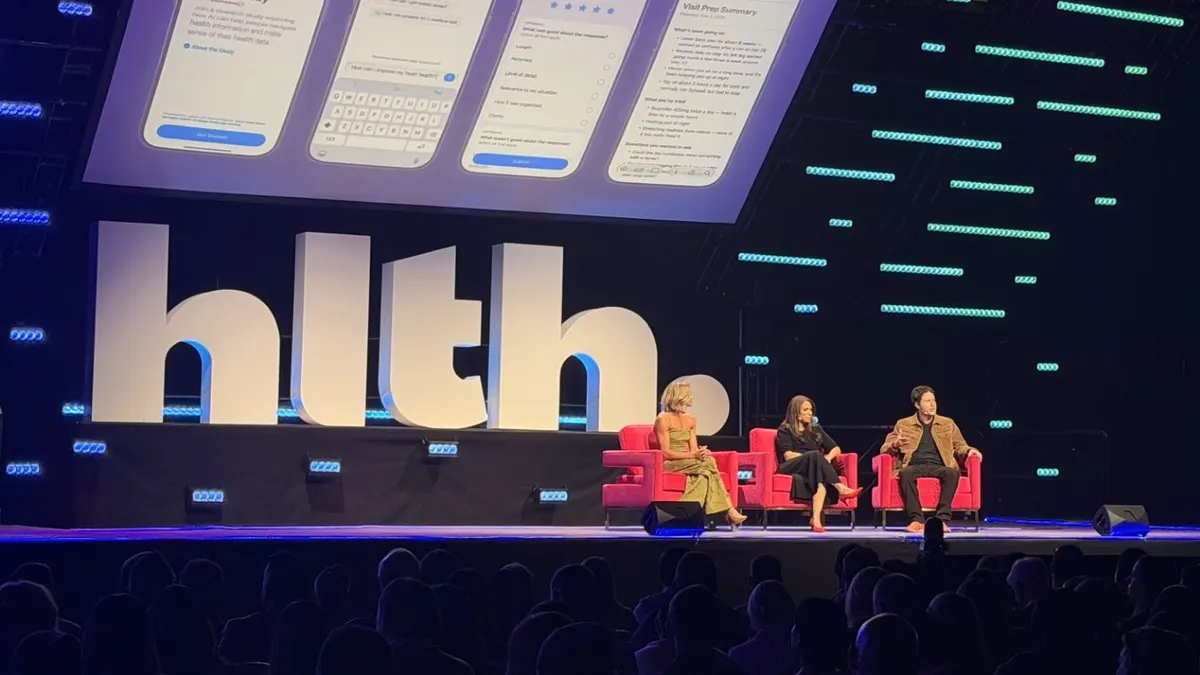
LAS VEGAS — GLP-1s for weight loss, diabetes and other conditions can save employers and other payers money — if they’re priced at $350 per month or less, according to a new analysis by CVS Health.
The white paper, released Sunday during the HLTH conference in Las Vegas, found that GLP-1s are associated with better health outcomes, fewer hospitalizations and lower medical spending. But at their current sky-high prices, pharmacy spending on GLP-1s swamps any medical savings for plan sponsors, CVS found. Per the Employee Benefit Research Institute, employers typically pay between $617 and $766 a month for GLP-1s.
The goal of the white paper is to pressure drugmakers like Eli Lilly and Novo Nordisk to lower the cost of the popular medications, according to Dr. Amy Compton-Phillips, CVS’ chief medical officer.
“Employers are having to make these Solomon-like decisions. Like, ‘It seems these are good drugs, but if I pay for them, I can’t afford coverage for my employees,’ right? It’s impossible,” Compton-Phillips said in an interview on the sidelines of HLTH.
GLP-1s have been a golden goose for Lilly and Novo, which capture nearly the entire GLP-1 market through products like Zepbound, Mounjaro, Wegovy and Ozempic.
The global market for GLP-1s is expected to reach $190 billion by 2035, $40 billion more than previously estimated, as the market for weight loss drugs rapidly expands, according to Morgan Stanley. In comparison, the medications generated $79 billion in total sales in 2025.
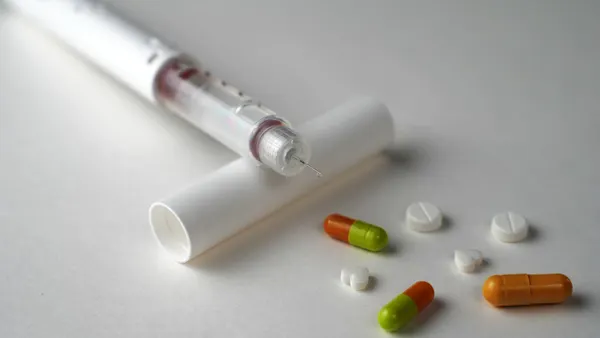
The drugs, which work by mimicking a hormone that decreases blood sugar levels and inhibits appetite, were originally developed for type 2 diabetes. But their clinical uses are expanding. Now, GLP-1s are approved across conditions like obesity and cardiovascular, liver and kidney disease.
According to CVS, more than 137 million U.S. adults are medically eligible for semaglutide, the active ingredient in GLP-1 drugs, across indications, with many qualifying under more than one.
However, coverage for GLP-1 drugs is dropping as employers and other plan sponsors try to curb skyrocketing healthcare spending. Employers expect medical costs to spike more than 9% next year, driven in large part by growing spending on their workers’ drugs.
Nearly 8 in 10 employers blame GLP-1s, the group found in a separate report. Only 72% of employers that cover the drugs for weight management plan to maintain that coverage next year. Another 10% said they probably wouldn’t.
For the white paper, CVS analyzed three years of claims for commercial members in its health insurance unit, Aetna, and compared members who used GLP-1s with members with similar health profiles who didn’t.
People still taking the drugs after three years saw a 34% to 42% decrease in hospitalizations, according to the report. ER visit rates fell by up to 12% in the first and second years of the analysis, while people taking GLP-1s had a 14% lower chance of having a major cardiovascular event like a heart attack.
Plan sponsors saved $9,400 on medical bills per person as a result. But they spend $13,300 more on prescriptions, netting out to $3,900 in additional costs per person taking GLP-1s, CVS found.
GLP-1s would need to cost around $350 per month to balance that equation, according to the report — a price tag that would still likely generate profits for drugmakers, Compton-Phillips argued.
GLP-1s can cost as little as $299 per month if customers pay cash. Moreover, Lilly and Novo are charging Medicare $245 a month for injectable GLP-1s for weight loss in a closely watched pilot that runs through the end of next year.
“You know that Lilly and Novo are not subsidizing the federal government by giving these to Medicare at $250 a month. They’re still making money at that. So why are they charging such high prices to employers?” Compton-Phillips said, calling the situation “sketchy.”
“I would love to see this pressure them to bring down prices to something rational, so that more people can access these medications that need it,” the CVS CMO added.
More GLP-1 prescriptions could be a boon for CVS, which has seen substantial revenue gains for its pharmacy benefit manager, Caremark, as a result of growing demand for the drugs. GLP-1s have also benefited CVS’ pharmacies, driving positive dispensing margins and spurring foot traffic into the company’s thousands of retail stores. CVS has notched partnerships with both Lilly and Novo to dispense their GLP-1s at lower cash prices at CVS Pharmacy locations.